- Best Taxi Service in Jodhpur
- +91-9784650178
- jodhpurtaxiservice7@gmail.com

The Ultimate Jodhpur Tourist Guide: Top Things to Do & A Perfect One-Day Itinerary

Interesting Facts on Bishnoi Village in a Day Tour
August 23, 2022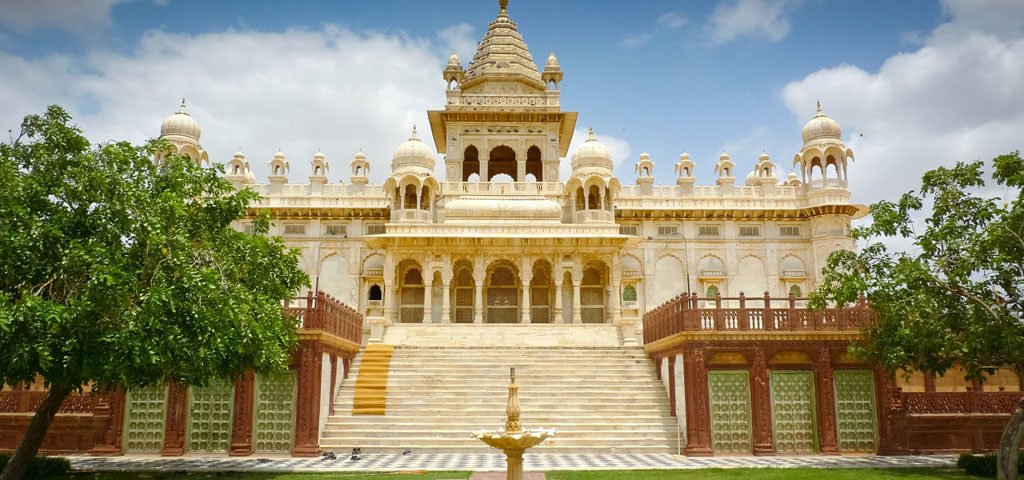
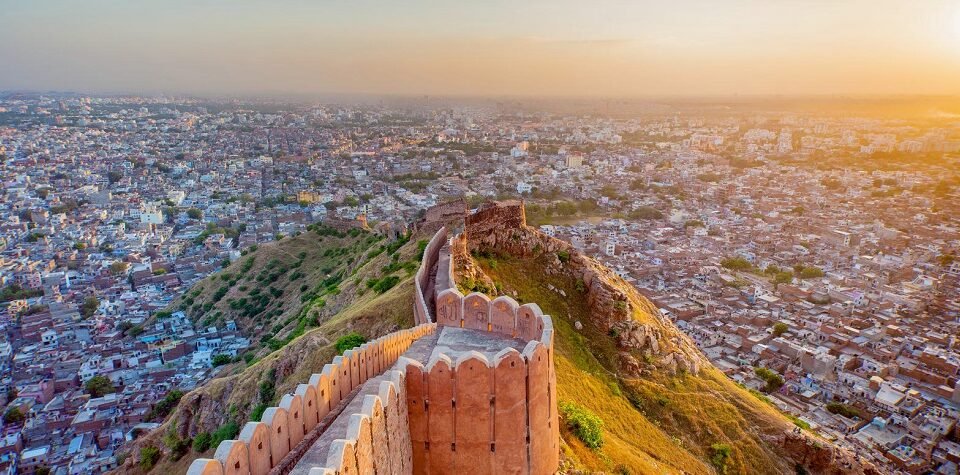
Imagine a sea of indigo houses clustered beneath a colossal fortress that seems to grow directly out of the rock. This is Jodhpur, the “Blue City” of Rajasthan—a place where the desert sun reflects off azure walls and narrow, winding alleys whisper tales of a bygone era. Unlike the pink avenues of Jaipur or the lakes of Udaipur, Jodhpur offers a rugged, raw beauty that feels undeniably authentic.
Founded in 1459 by Rao Jodha, the chief of the Rathore clan, Jodhpur was the sparkling jewel of the Marwar kingdom. For centuries, it served as a vital trade center on the silk route, accumulating wealth that built the extravagant palaces and formidable fortifications you see today. Every corner of the old city is steeped in this rich history, from the battle scars on the fort walls to the royal cenotaphs resting quietly by the lake.
If you are wondering what to do in Jodhpur or how to fit its grandeur into a short schedule, you have come to the right place. Whether you are a history buff, a photographer hunting for that perfect blue backdrop, or a foodie craving spicy Rajasthani curries, this guide has you covered. Read on for the ultimate Jodhpur tourist guide, including the top things to do and a perfectly optimized Jodhpur in a day itinerary to ensure you don’t miss a beat.
Top 7 Things to Do in Jodhpur (Beyond the Fort)
If you are looking for a quick answer on what to do in Jodhpur, here is a snapshot of the essential experiences that define the city:
- Explore Mehrangarh Fort: The crowning glory of the Blue City.
- Marvel at Umaid Bhawan Palace: A blend of royal history and luxury.
- Visit Jaswant Thada: The serene “Taj Mahal of Marwar.”
- Walk Through the Blue City: Capture the best photos in Navchokiya.
- Discover Toorji Ka Jhalra: An ancient stepwell revived with modern vibes.
- Sunset at Rao Jodha Desert Rock Park: Nature trails with fort views.
- Shop at Sardar Market & Clock Tower: The bustling heart of the old city.
Explore the Majestic Mehrangarh Fort
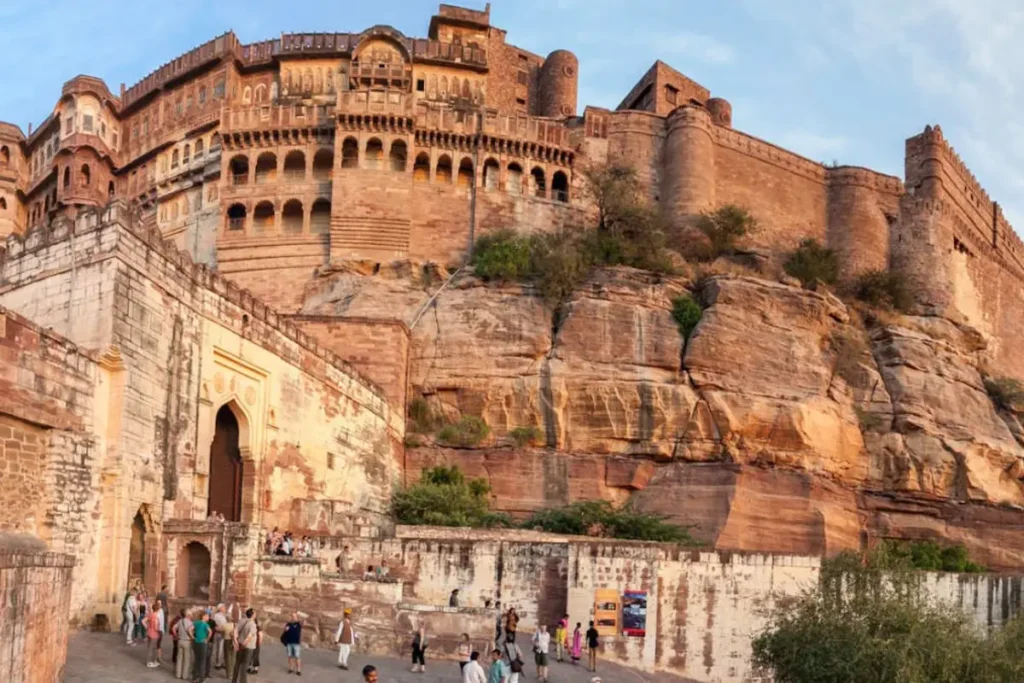
No Jodhpur trip is complete without visiting this architectural marvel. Standing 410 feet above the city, Mehrangarh is one of the largest and best-preserved forts in India. Inside, you will find intricate carvings, expansive courtyards, and galleries filled with royal palanquins and weaponry.
Adventure Tip: For thrill-seekers, this is the best spot for adventure. Don’t miss the Flying Fox zip-line tour, which offers a breathtaking aerial view of the fort and the blue houses below.
Marvel at Umaid Bhawan Palace
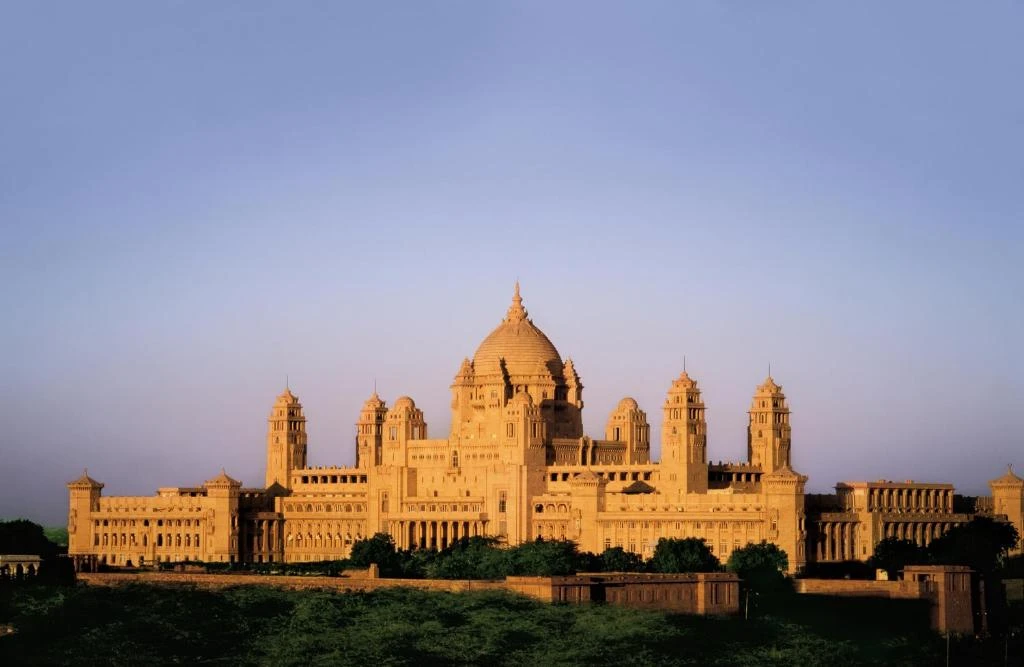
While a portion of this immense palace is now a Taj Hotel and another serves as the current royal residence, the Umaid Bhawan Palace Museum is open to the public. It offers a fascinating glimpse into the lifestyle of the modern Maharajas. Be sure to check out the Vintage Car Collection displayed in the garden, featuring classic Rolls-Royces and Cadillacs that once dominated the streets of Marwar.
Visit Jaswant Thada (The Taj Mahal of Marwar)
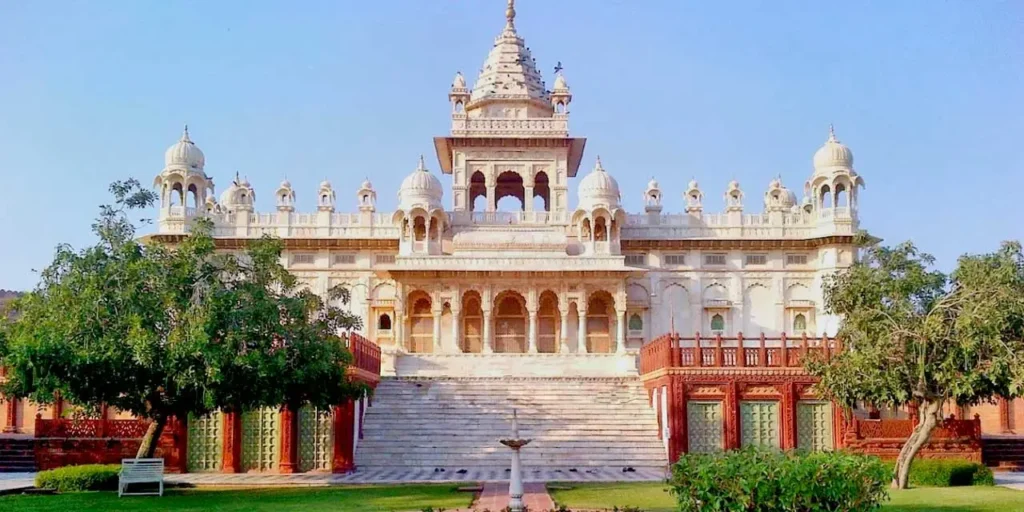
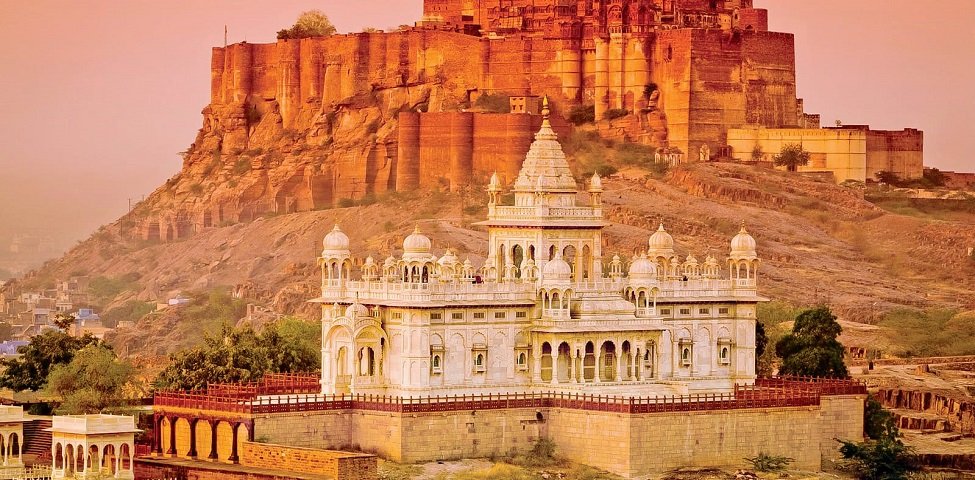
Located just a short walk from the fort, this milky-white marble cenotaph was built in memory of Maharaja Jaswant Singh II. The sheets of marble used here are extremely thin and polished, emitting a warm glow when illuminated by the sun. It offers a peaceful retreat from the city buzz and provides stunning panoramic views of the fort.
Walk Through the Blue City (Navchokiya)
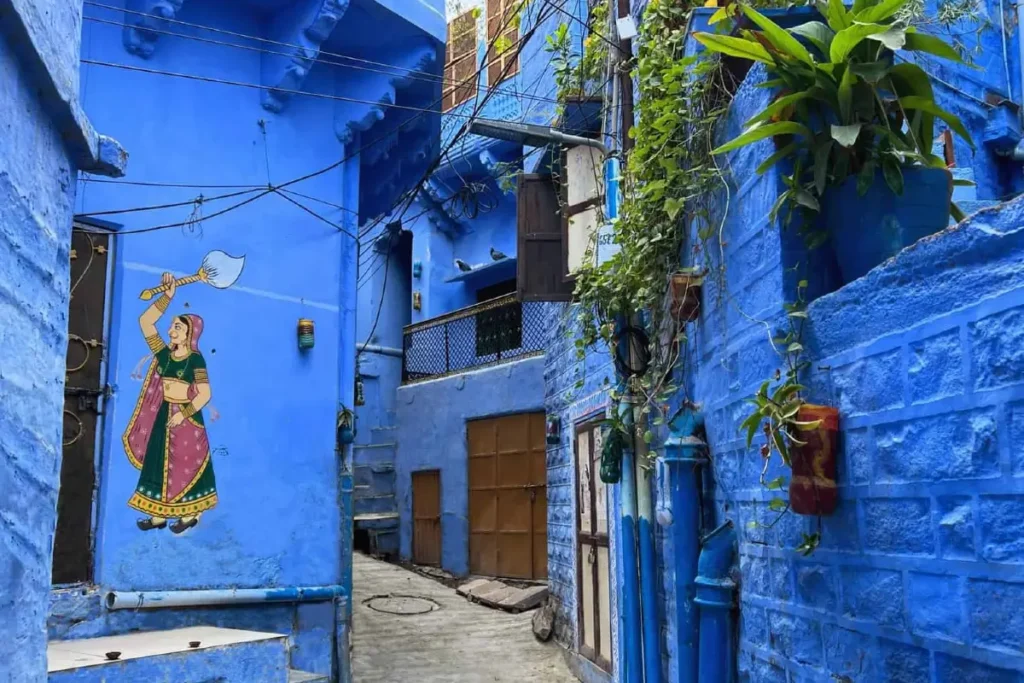
Many tourists ask, “Where are the blue houses?” The answer is the Navchokiya neighborhood. Located behind the fort, this area is quieter and more “blue” than the commercial centers. Wandering these winding, indigo-hued lanes is one of the most photogenic things to do in Jodhpur. It gives you a chance to see local life up close, away from the crowds.
Discover Toorji Ka Jhalra
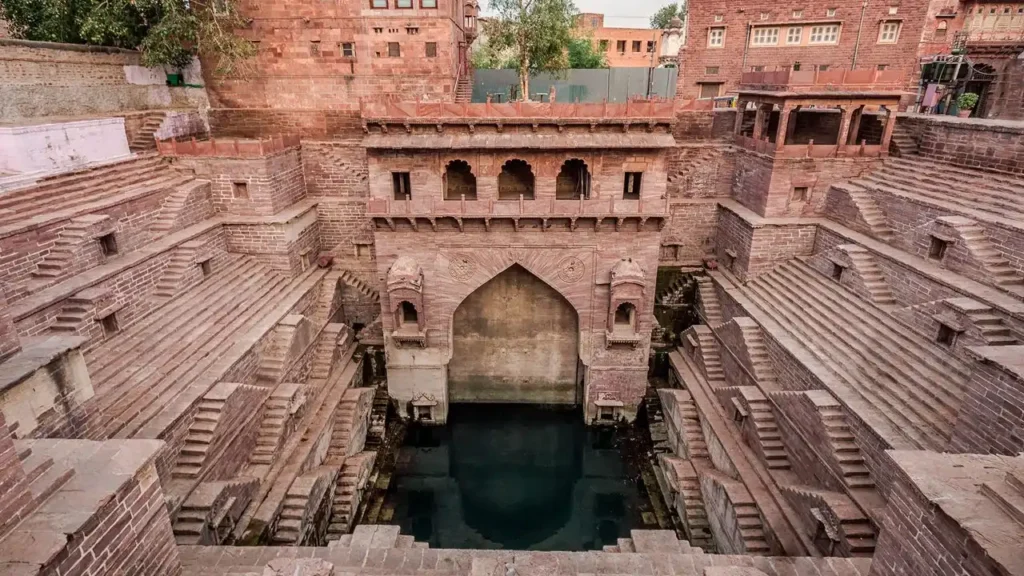
Built in the 1740s, this ancient stepwell was submerged and neglected for decades before being recently restored. Today, Toorji Ka Jhalra is a stunning example of intricate water management architecture. It has become a hip urban spot, surrounded by boutique shops and the famous Stepwell Café, where you can enjoy a coffee while looking down into the geometrically perfect stairs.
Sunset at Rao Jodha Desert Rock Park
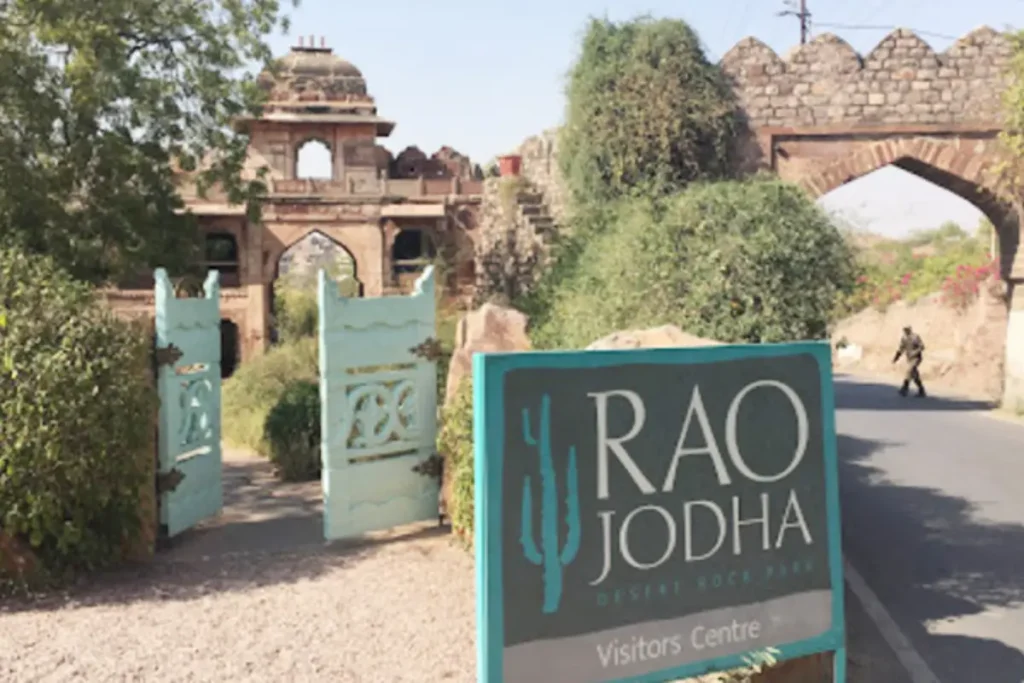
If you want to escape the concrete and stone, head to this ecological park situated at the foot of the fort. Created to restore the natural ecology of the rocky wasteland, it features volcanic rock trails and native plant species. It is widely considered the best vantage point to watch the sunset, with the golden light hitting the fort walls on one side and the city skyline on the other.
Shop at Sardar Market & Clock Tower
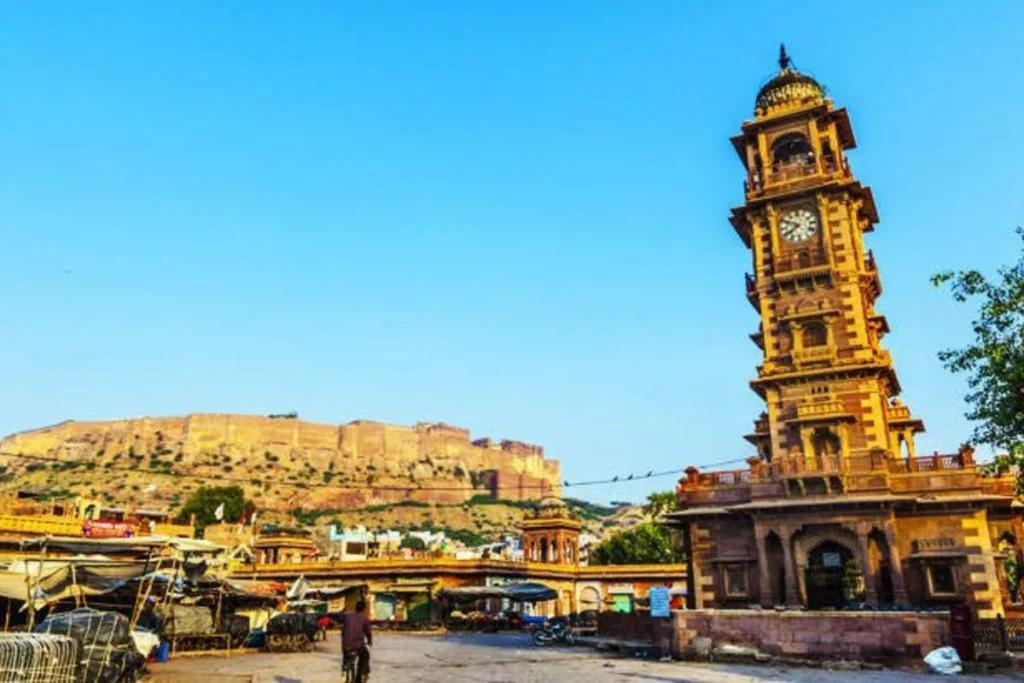
Wrap up your sightseeing at the Ghanta Ghar (Clock Tower), the iconic landmark marking the center of the Old City. The surrounding Sardar Market is a sensory explosion of spices, handicrafts, textiles, and street food. This is the ultimate place to buy Jodhpur’s famous Mathaniya red chilies, tie-dye sarees, and leather mojaris (shoes).
The Perfect Jodhpur Itinerary: Jodhpur in a Day
Can you really see the “Blue City” in just 24 hours? While a longer Jodhpur trip allows for a more relaxed pace, you can absolutely cover the highlights with a well-planned schedule. This Jodhpur in a day itinerary is designed to maximize your time, grouping nearby attractions to save on travel.
Morning: The Royal Start (Mehrangarh & Jaswant Thada)
Start your day early (around 9:00 AM) to beat the midday heat and the tourist crowds.
- 9:00 AM – Mehrangarh Fort: Head straight to the fort elevator or hike up the ramp. Dedicate at least 2 hours here. The audio guide is highly recommended to understand the history of the courtyards and the museum.
- 11:30 AM – Jaswant Thada: It is a short 10-15 minute walk downhill from the fort. The marble cenotaph is peaceful and airy. You will only need about 30-45 minutes here to admire the architecture and take photos of the fort from a distance.
Afternoon: Heritage & Lunch (Stepwell & Umaid Bhawan)
By now, the sun will be high, so it is time to head into the city for food and indoor attractions.
- 1:00 PM – Lunch at Toorji Ka Jhalra: Take an auto-rickshaw to the Stepwell area. Enjoy a Rajasthani thali or continental lunch at one of the cafes overlooking the water, like the Stepwell Café.
- 2:30 PM – Umaid Bhawan Palace: After lunch, catch a ride to Umaid Bhawan. The museum closes at 5:00 PM, so arriving by mid-afternoon gives you ample time to explore the royal artifacts and the vintage car collection without rushing.
Evening: Sunsets & Shopping (The Old City Markets)
As the heat subsides, immerse yourself in the chaotic charm of the local culture.
- 5:30 PM – Sardar Market & Clock Tower: Head back to the Old City. This is the best time to shop for spices, textiles, and handicrafts.
- 6:30 PM – Street Food Snack: Grab a steaming hot Mirchi Vada or a refreshing Makhaniya Lassi from the famous vendors near the Clock Tower archway.
- 7:30 PM – Dinner with a View: End your Jodhpur itinerary at a rooftop restaurant in the Old City (like Indique or Pal Haveli). Watching the illuminated Mehrangarh Fort glowing against the night sky is the perfect finale to your trip.
Essential Jodhpur Tourist Guide: Tips for Your Trip
To make your trip smooth and enjoyable, here are some practical tips to keep in mind while planning your visit.
Best Time to Visit Jodhpur
The ideal time to explore Jodhpur is during the winter months, from October to March. During this period, the weather is pleasant, with sunny days and cool nights, making it perfect for walking tours and fort visits. It is best to avoid the summer months (April to June) when temperatures can soar above 40°C (104°F), making sightseeing exhausting.
How to Get Around
Navigating Jodhpur requires a mix of transport modes depending on where you are.
- Auto-rickshaws: These are the lifeline of the Old City. The narrow, winding lanes of the Blue City and Sardar Market are often inaccessible to larger vehicles, making autos the best choice for short hops.
- Cabs & Taxis: For visiting attractions further apart, like Umaid Bhawan Palace, Mandore Gardens, or the Bishnoi Village, a car is highly recommended for comfort. You can easily hire a Taxi Service in Jodhpur for a comfortable, air-conditioned ride between these distant landmarks. If you prefer a structured day without the stress of navigation, booking a dedicated Jodhpur Sightseeing Taxi is a fantastic option to cover the entire itinerary efficiently.
Famous Food to Try
Jodhpur is a paradise for food lovers, known for its rich and spicy flavors.
- Mirchi Vada: The signature snack of the city. It is a large green chili stuffed with spicy potato masala, battered, and deep-fried to perfection.
- Makhaniya Lassi: To cool down after the spicy food, try this thick, creamy yogurt drink flavored with saffron and cardamom, often topped with a dollop of butter or cream.
Frequently Asked Questions (FAQ)
Here are answers to the most common questions travelers ask when planning their Jodhpur trip.
Q: Is one day enough for Jodhpur? Yes, one day is enough to cover the major highlights if you start early. A well-planned Jodhpur in a day itinerary allows you to visit Mehrangarh Fort, Jaswant Thada, and Umaid Bhawan Palace, and still have time for evening shopping at the Clock Tower. However, if you want to explore nearby attractions like the Bishnoi Village or Osian sand dunes, a 2-day trip is recommended.
Q: What is the famous thing to buy in Jodhpur? Jodhpur is famous for its vibrant textiles and spices. The top things to buy include:
- Mathaniya Red Chilies: Known for their bright red color and distinct flavor.
- Bandhani & Leheriya Fabrics: Traditional tie-dye textiles used for sarees and turbans.
- Mojaris (Jodhpuri Shoots): Handcrafted leather footwear.
- Antiques & Handicrafts: Wooden furniture and vintage decor items found in the older markets.
Q: Which is the best area to stay in Jodhpur? It depends on your preference:
- The Old City (near the Clock Tower): Best for budget travelers and those who want to be in the heart of the action with views of the Fort (many heritage havelis are located here).
- Ratanada & Cantonment Area: Best for luxury travelers and families looking for modern hotels, quieter surroundings, and easier car access.